Dundas unexpectedly hits massive sulphides prospective for nickel and copper: shares surge
Dundas shares surged to all-time highs as shallow drilling unexpectedly hits massive sulphides

Source: iStock
Mentioned
KEY POINTS
- Dundas is gearing up for a drilling campaign at its Albany-Fraser Orogen prospect in WA
- Three shallow holes, for drilling water, unexpectedly hit massive sulphides prospective for nickel, cobalt and gold
- Dundas shares rallied as much as 43% in early trade, surging past last November highs of 26 cents
Dundas Minerals (ASX: DUN) was easing into a diamond drilling campaign at its Albany-Fraser Orogen prospect in Western Australia, with three shallow holes in search of copper and nickel.
But to it's surprise, unexpectedly hit both massive sulphides and ultramafic rocks at two holes to a depth of 37m.
Dundas shares rallied 43% in early trade to a fresh all-time high of 30 cents. In the first fifteen minutes of trade, almost 1m shares have traded hands compared to the stock's 20-day average of around 220,000.
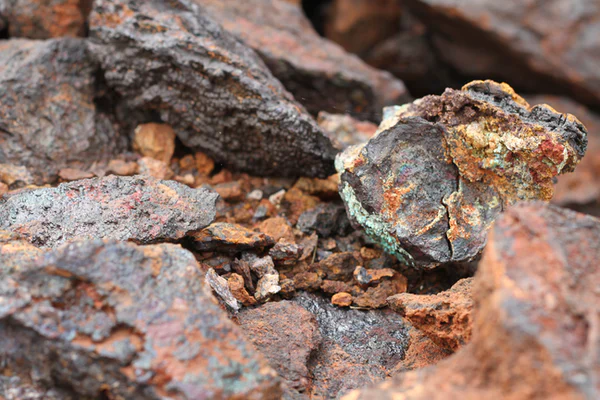
The drilling spoil recovered from each hole was analysed using a handheld portable XRF gun. The first drill-hole returned anomalous copper, nickel, cobalt and silver values in massive sulphides which are "considered significant".
The second drill-hole intersected pyrite rich altered stockwork veins, prospective for gold. Although Dundas notes that the XRF does not analyse for gold and results for this element will only be available after lab testing. Still, the presence of large amounts of pyrite was considered "encouraging for gold mineralisation".
Samples from both holes have been dispatched for further laboratory testing, with an anticipated turn-around time of four weeks.
Just warming up
"The completely unexpected intersection of ultramafic massive sulphides ... prior to commencing the holes targeting the two AMT anomalies, is an extremely positive early result," said Managing Director Shane Volk.
An AMT survey in March 2022 identified anomalies that could be massive sulphides which can host either nickel/copper mineralisation or possibly graphite.
Shortly after, a soil sampling program confirmed two areas prospective for nickel-copper-cobalt values, which then leads us to the current and ongoing diamond drilling campaign.
"The cobalt, copper, nickel and silver pXRF readings are very encouraging. We are moving as quickly as possible to test both Central AMT anomalies with diamond drill holes to depths of up to 500m," added Volk.

Dundas share price chart
DISCLAIMER: Market Index helps small-cap ASX listed companies connect with Australian investors through clear and concise articles on key developments. Dundas Minerals was a client at the time of publishing. All coverage contains factual information only and should not be interpreted as an opinion or financial advice.