El Niño and the ASX: the stocks set to win and lose
El Niño may lead to drought, supply chain chaos, inflation, and other negatives – but it will also result in winners and losers on the ASX.

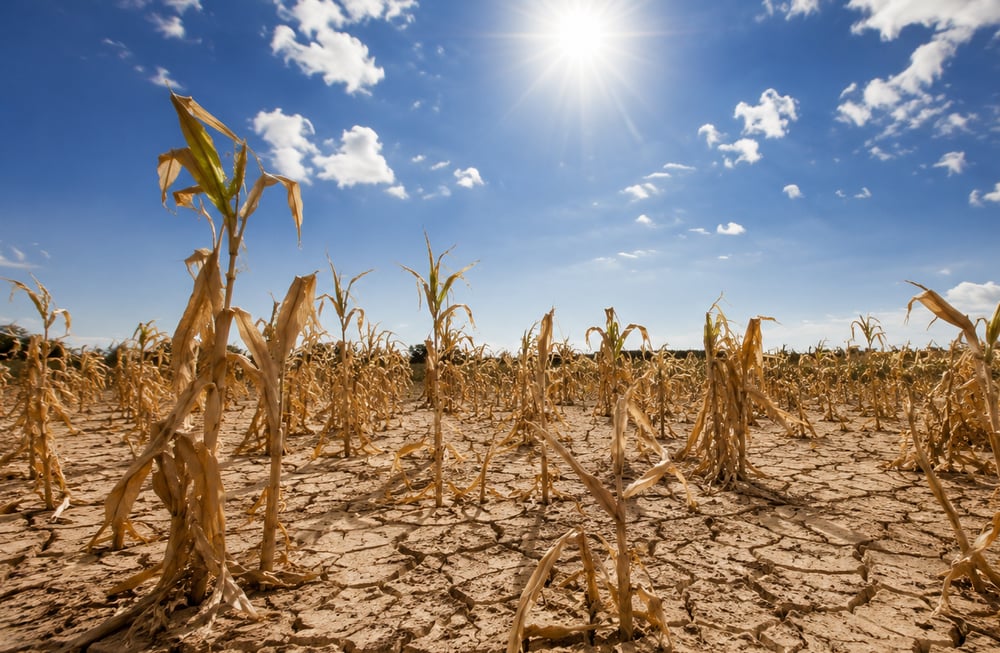
Source: El Nino, sun dry harvest Chat GPT
Mentioned
KEY POINTS
- A record-strength El Niño is on its way, threatening drought and bushfires at home while disrupting commodity supply chains abroad.
- The extreme weather event is set to strike as the RBA is battling inflation triggered by the Iran-US conflict, and as the local economy is cooling due to cost of living pressures and a slowing property market.
- This piece maps out who wins and who loses on the ASX: the miners and contractors set to benefit from drier weather, the farmers, rural-exposed banks and insurers in the firing line, and what it might mean for where interest rates are headed next.
Australia's economy is already under strain, absorbing the impact of the Middle East conflict and stubborn domestic inflation, with the RBA holding rates in June after three 0.25% hikes since February. Now a record El Niño is on its way – the periodic warming of the central and eastern tropical Pacific Ocean that typically brings hotter, drier conditions to much of Australia.
The Bureau of Meteorology is forecasting it to surpass the post-1900 record set in 1902, with the National Oceanic and Atmospheric Administration (NOAA) saying it is more likely than not to qualify as a "super" El Niño — the strongest type. Even if only mild, El Niño typically brings hotter, drier conditions, particularly in Eastern Australia, raising the risk of droughts and bushfires.
This would hand some ASX stocks an edge and put others in the firing line. This piece maps out the winners and losers, and what the shock means for where interest rates are headed next.
El Niño quick facts
What is El Niño? El Niño is a natural climate pattern in which the surface waters of the tropical Pacific Ocean turn warmer than usual. That warmth reorganises rainfall and wind systems worldwide, altering weather far beyond the Pacific itself. It’s expected to start ramping up from right now, and to persist well into 2027.
What are its impacts? For eastern Australia, the pattern usually means drought, heatwaves and a heightened bushfire risk. Other regions get the opposite — heavy rain and flooding — and the combined disruption to farming, mining and energy supply feeds through into commodity prices.
How bad could this one be? Forecasters expect a super El Niño rather than a mild one, and the economic stakes are large: the 2015-16 event cost approximately US$3.9 trillion, equivalent to around 5% of 2016 global GDP, according to research presented by Citi in a recent note. The research study, conducted by Callahan and Mankin (2023), analysed GDP trajectories across 147 countries from 1960 to 2019, and found that El Niño's damage to economic output persists well beyond the weather itself, with effects detectable for five years or more in most affected economies.
Will this El Niño cause the RBA to hike interest rates?
Australia’s economy is less exposed than agriculture-reliant economies, but a super El Niño could still bring drought and a supply shock to local agriculture. In June, the RBA held the cash rate at 4.35%, but stated further rises weren't off the table with inflation still too high.
Citi believes more pain is in the pipeline, saying Australian "households have yet to experience the full increase in downstream prices for essential goods from earlier increases in diesel prices through the transport logistics supply chain."
The investment bank predicts the RBA will raise the cash rate in August, and with oil prices rising again after Iran and the US have reengaged in conflict, it might prove accurate. Though, Citi says that the move may slip to November, and if so, the RBA will also have to weigh the prospect of a super El Niño.
For central banks, Citi says the real question is not whether El Niño lifts food or energy prices, but whether those shocks become embedded in underlying inflation and expectations. In countries like Australia, where inflation is already above target and labour markets are tight, Citi says policymakers may lean towards preventing second-round effects.
ASX potential El Niño winners and losers
Beyond the macro picture, the sharper question for investors is which names sit on either side of the El Niño trade. In a recent note to clients, Macquarie drew up baskets of the stocks it sees as potential winners and losers from the weather shift.
The winners are stocks where dry conditions improve uptime or reduce disruption, for example, mining and mining services, while losers sit in crop and rural services, agri-exposed credit and insurance.
Winners
NRW Holdings (NWH): as a mining and civil contractor, it could benefit because its earthworks and mine development are highly rain-sensitive, so drier weather de-risks converting its contract backlog into revenue and cash without margin erosion.
Rio Tinto (RIO): its Pilbara region mining and logistics network may experience fewer cyclone-related port closures and steadier rail throughput supporting operational uptime.
Mineral Resources (MIN): operates iron ore and lithium mining, plus crushing and haulage services in Western Australia, so it could gain from higher plant utilisation and fewer weather-driven cost blowouts.
New Hope Corporation (NHC): will have better access to its NSW coal mine and a lower flooding risk supports delivery of production guidance.
Losers
National Australia Bank (NAB): exposure runs through its agribusiness and rural lending book. Drought strains farming sector cash flows, lowers collateral values, and lifts the risk of arrears.
Origin Energy (ORG): heatwaves can lift power demand and spot prices, but the regulatory response — bill relief, price caps, intervention — usually outweighs those gains and squeezes retailer margins. Bushfire risk to transmission infrastructure adds to the pressure.
Elders (ELD): the agribusiness’s rural services revenue tracks farm spending, which falls when rainfall disappoints. Weaker grain-belt rainfall cuts demand for crop protection, fertiliser, and advice, while drought pressures livestock agency income.
Insurance sector (IAG, SUN, QBE): El Niño is linked to worse bushfire seasons, and after catastrophe-heavy years, insurers are already dealing with higher reinsurance costs and scrutiny over premiums. A severe fire season would pressure loss ratios and invite more regulatory intervention. Macquarie notes insurers have been common El Niño underperformers since 2000.
El Niño’s impact on metals
El Niño will also threaten commodity supply chains offshore, which could be beneficial for ASX miners, who may be able to pick up the slack from any disruption in Africa or South America, according to a June Morgan Stanley note.
Metal | Key exposed region(s) | Impact | Overall supply risk |
|---|---|---|---|
Copper | Chile, Zambia | Chile: floods, mudslides, infrastructure damage. Zambia: drought, hydropower shortage | High |
Aluminium | China (Yunnan) | Drought, hydropower shortage | Moderate |
Zinc | China (Yunnan), Peru | Yunnan: drought, hydropower shortage. Peru: floods, mudslides, infrastructure damage | Moderate |
Lithium | Chile | Increased rainfall, brine dilution, road and rail disruption | Moderate |
Iron ore | Brazil, Australia | North Brazil: reduced rainfall. South Brazil: increased rainfall, rail and port disruption. Australia: reduced cyclone frequency | Low to moderate |
Thermal coal | Australia, Asia | Australia: reduced rainfall, fewer flood disruptions. Indonesia: reduced rainfall, logistics disruption | Low |
Nickel | Indonesia | Reduced rainfall, improved logistics | Low (potentially supportive) |
Met coal | Australia | Hot, dry weather, fewer logistics disruptions | Low (potentially supportive) |
Source: Morgan Stanley Research
Morgan Stanley believes that copper faces the highest supply risk, with Chile and Zambia most exposed. This could potentially spell major challenges for BHP, for which the region is responsible for around 80% of its FY27 attributable copper production. Despite this, Morgan Stanley chose to retain an overweight rating on the stock — seeing any risks offset by drier, more productive conditions at its South Australian copper operation. The broker also notes possible benefits to production at BHP’s WA iron ore and Queensland coal operations.
Other ASX-listed mining companies that Morgan Stanely thinks could benefit from any disruption to Chilean mining operations include lithium producers Pilbara Minerals (PLS) (rated equal-weight), IGO (rated underweight) and Mineral Resources (MIN) (no rating due to research restrictions).
Finally, the broker notes that Australian thermal coal producers, like Yancoal Australia (YAL) and Whitehaven Coal (WHC), are set to benefit from hotter weather across Asia and less reliable hydropower.
The bottom line: things are heating up!
El Niño's arrival hands ASX miners and contractors a clear operational edge, while agriculture, rural-exposed banks and insurers brace for the downside. Layered on top is the offshore commodity supply story, where disruption to copper, lithium and coal production could work in favour of Australian producers.
The bigger question is what it will mean for local interest rates. With oil prices climbing again and El Niño still months away from washing through, it will be interesting to see if the RBA takes any pre-emptive steps. The central bank's 10-11 August meeting looms as the next critical touchpoint.