Telstra's price hike fuels steady 4.6-5% dividend yields, says Goldman Sachs
Goldman Sachs expects recent mobile and internet plan price hikes will support dividends of 19-21 cents per share through to FY27.

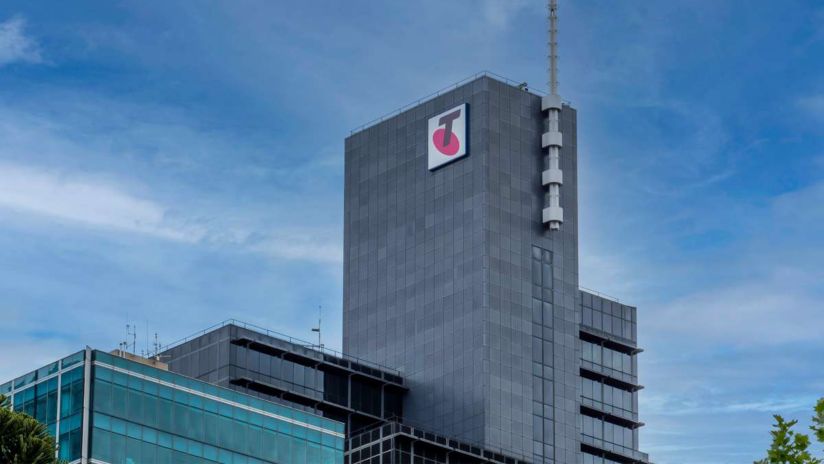
Source: Telstra
Mentioned
KEY POINTS
- Telstra’s mobile and internet plan price hikes of A$3-5 per month are expected to boost postpaid ARPU by $2.40, driving mobile service revenue growth of 3.7% in FY25 and 4.6% in FY26
- Goldman Sachs raised its 12-month price target from $4.25 to $4.90, implying 9% upside from current levels
- Dividends are projected to sit around 19-21 cents per share through FY27, offering a reliable 4.6-5% yield at current prices
Telstra (ASX: TLS) is poised for robust earnings growth in the coming years, driven by strategic price increases for its mobile and internet plans, according to Goldman Sachs.
The telco giant announced revised pricing for its mobile and internet prices on Tuesday, with stronger-than-expected increases of $3-5 per month.
The news was well-received, with Telstra shares finishing the session 2.2% higher to $4.68, a level not seen since April 2017.
Pricing Power Fuels Optimism
Despite promotional discounts from competitors like Vodafone, Telstra’s ability to maintain a 45% pricing premium — well above its historical 32% average — highlights its strong market position. Goldman Sachs sees this as evidence of sustained subscriber momentum, even in a competitive landscape.
The price increase is expected to boost Telstra’s postpaid average revenue per user (ARPU) by approximately $2.40, reflecting a blended increase of $4 across 65% of its customer base.
This should drive mobile service revenue growth of 3.7% in FY25 and 4.6% in FY26, despite anticipated competition in the enterprise segment and some customer churn to lower-cost plans. Prepaid mobile pricing remains unchanged after significant 2024 adjustments, a strategic move given the higher implementation costs for prepaid changes.
Strategic Moves and Cost Offsets
Telstra’s price hikes are partly designed to fund new initiatives, including the upcoming launch of a Starlink messaging service, set to enhance its network offerings.
Additionally, price increases for NBN residential plans exceed wholesale cost increases, which should expand Telstra’s NBN margins in FY26, though at the cost of slower subscriber growth.
Competitors like Aussie Broadband (ASX: ABB) and Superloop (ASX: SLC) are expected to benefit from this dynamic as customers seek more affordable alternatives.
Financial Outlook and Dividend Stability
Goldman Sachs projects accelerated postpaid ARPU growth of 2% in FY25 and 4% in FY26, offsetting a slowdown in net subscriber additions (109,000 in FY25 and 11,000 in FY26). This supports a positive earnings outlook, with earnings per share (EPS) forecasts for FY25-27 revised upward by 0-4%.
Telstra’s dividends are expected to remain steady at 19 cents per share in FY25, 20 cents in FY26, and 21 cents in FY27, offering a reliable yield of around 4.6-5% based on the current share price.
The investment bank raised its 12-month price target for Telstra to $4.90 from $4.25, reflecting stronger earnings projections and a higher valuation multiple, driven by Telstra’s favorable position relative to global telecom peers.
The Bottom Line
Telstra’s ability to roll out above-inflation price increases while maintaining subscriber loyalty highlights its defensive qualities and market leadership. The company’s focus on cost control, including a A$350 million cost-reduction target by FY25, and its A$750 million share buyback program further signal financial strength. While its trailing PE is crossing the 30x level, ongoing capital management options and portfolio simplification are seen as underappreciated catalysts ahead of the upcoming T30 investor update.