Citi tips ANZ as top pick as broader sector cuts over 6,500 jobs
ANZ leads Australian banks in cutting over 6,500 jobs as the sector prioritises costs over growth following post-pandemic hiring surge.

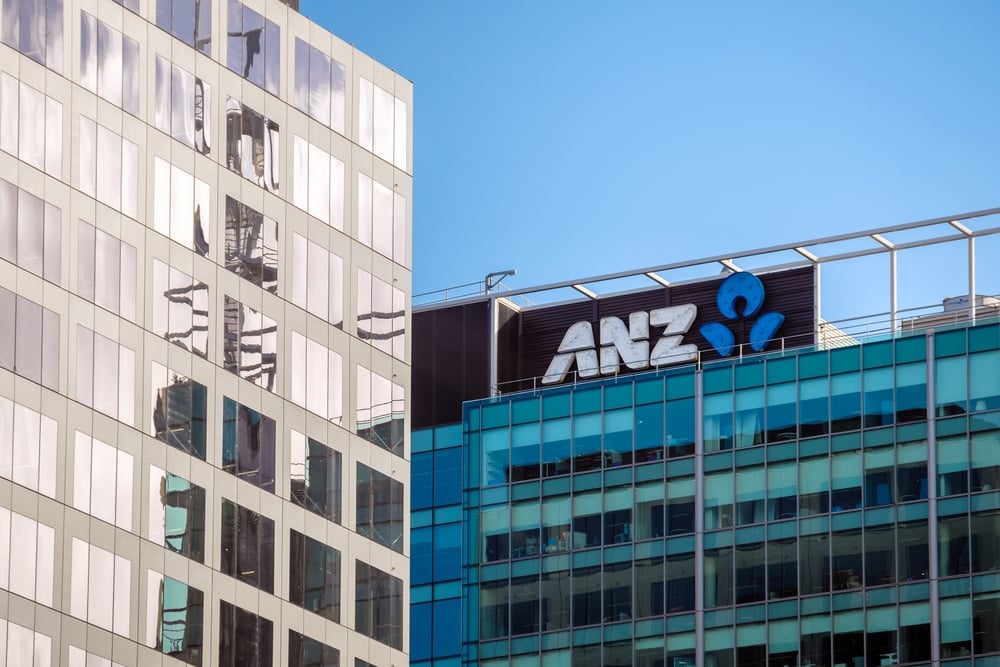
Source: Shutterstock
Mentioned
KEY POINTS
- ANZ's 3,500 job cuts represent 8% of its workforce and could reduce employee costs by 12-13%, potentially lowering 2027 expenses to $11.6 billion vs. $12.4 billion forecasts, according to Citi.
- Australian banks have announced over 6,500 job cuts in recent months, primarily targeting technology and retail banking roles after years of unchecked post-pandemic hiring.
- Citi rates ANZ as its preferred major bank exposure, trading at a 25% discount to Westpac with better prospects for earnings upgrades as cost discipline returns.
Australian banks have announced sweeping job cuts totalling more than 6,500 positions in recent months, with ANZ leading the charge by axing 3,500 roles or 8% of its workforce.
The cuts, concentrated in technology and retail banking divisions, mark a dramatic shift from the post-pandemic hiring spree that saw employee numbers balloon. This is despite various investments in software and automation that should have driven productivity gains.
ANZ takes the axe to costs
ANZ's (ASX: ANZ) announcement stands out for its sheer scale, cutting well above analyst expectations of just 2,000 roles. The bank plans to eliminate these positions by September 2026, alongside 1,000 contractor roles, as new CEO Nuno Matos puts cost efficiency at the centre of his strategy.
Citi analysts estimate the 8% workforce reduction could cut employee costs by 12-13%, potentially lowering 2027 expenses to $11.6 billion from current forecasts of $12.4 billion. This aggressive approach contrasts sharply with ANZ's previous strategy under former CEO Shayne Elliott, who focused on de-risking rather than cost-cutting.
The bank's October strategy update is expected to reveal return-on-equity targets, with cost reduction forming a key pillar of improved profitability.
Sector-wide efficiency drive
Other major banks have also made cuts:
Westpac has cut 1,500 roles as part of CEO Anthony Miller's efficiency push
NAB restructured 750 technology and operations positions, with a net reduction of 400
CBA has cut approximately 300 roles in tech and retail banking services
Regional banks have announced 160-200 job cuts
Citi says the common targets are technology and retail banking, areas where banks are seeking to automate processes and reduce manual intervention as competition intensifies and margins compress.
Post-pandemic reality check
The cuts represent a correction after years of unchecked hiring. Despite divesting offshore businesses and wealth management arms, total industry employment has remained stubbornly high, with pandemic-era recruitment removing traditional cost discipline.
Banks maintained this approach because strong revenue growth and improving asset quality post-pandemic allowed them to absorb higher costs while preserving profitability. However, with voluntary staff turnover at decade lows, particularly at CBA, natural workforce reduction hasn't occurred, forcing management into tougher decisions.
Different strategies, varying outcomes
While all banks are cutting costs, their approaches differ significantly. Westpac's reductions will largely be reinvested into Project UNITE, its technology overhaul, and new business banking capabilities. This measured approach may create better long-term franchise value despite offering less immediate bottom-line impact.
ANZ's strategy appears more singularly focused on cost extraction, which Citi believes has the highest probability of flowing through to earnings in the near term.
The bottom line
For investors, the job cuts signal management prioritising near-term earnings over growth investments. With credit growth remaining resilient and only one further rate cut expected this cycle, banks face a more supportive revenue environment that could amplify the benefits of cost discipline.
Citi maintains ANZ as its preferred major bank exposure, trading at a 25% discount to Westpac despite better prospects for earnings upgrades. Their order of preference is ANZ (Neutral), Westpac (Neutral), NAB (Sell) and CBA (Sell).
The analysts expect the market to reward ANZ's return to cost discipline, though the sustainability of any returns improvement will depend on the bank's ability to combine cost cuts with revenue growth initiatives.
The analysis suggests two-thirds of analysts covering ANZ are forecasting 2027 costs of $12.25-12.6 billion, leaving scope for positive earnings revisions if the job cuts deliver their intended savings.