Rio Tinto guides to lower iron ore shipments amid further downside risks to demand
Rio Tinto reports a margin drop in third quarter iron ore shipments as economic conditions weaken.

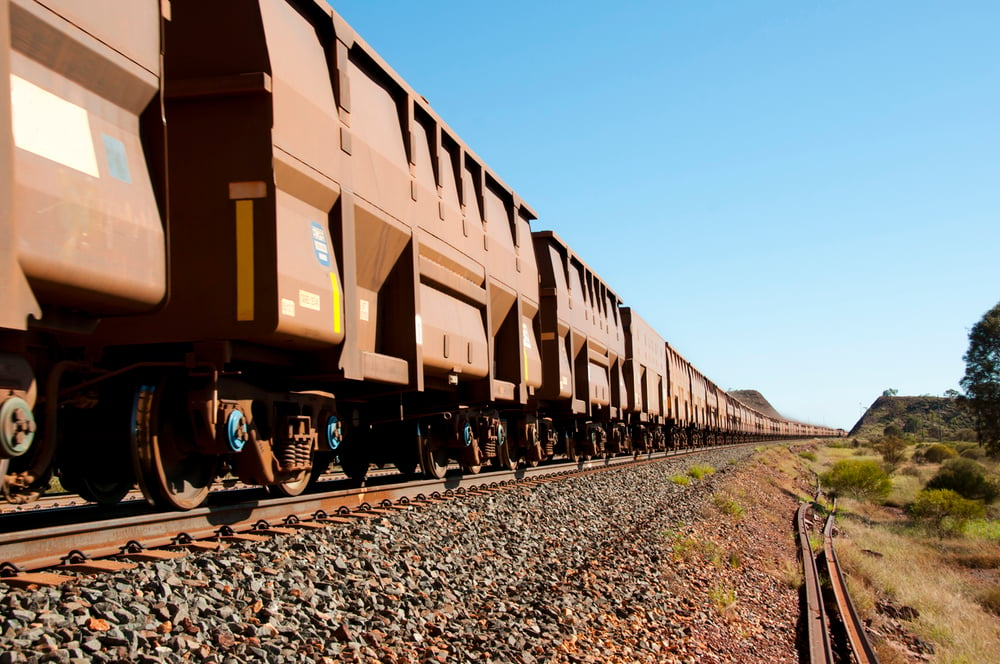
Source: iStock
Mentioned
KEY POINTS
- Rio Tinto's iron ore shipments fell -1% compared to a year ago to 82.9 million tonnes
- 2022 guidance was left mostly unchanged except slight revision to iron ore and copper
- Iron ore prices fell -20% in the September quarter from US$120 to US$96 per dry metric tonne
Rio Tinto (ASX: RIO) said it expects to see full year iron ore shipments at the low end of the company's guidance range amid 'further downside risks to demand as the global economy slows'.
The world's largest iron ore producer mined 84.3m tonnes of the steelmaking ingredient in the September quarter, 7% higher than the prior quarter and 1% higher than a year ago.
Iron ore shipments were 82.9m tonnes, down -1% compared to last year but 4% higher than the prior quarter despite two unplanned rail outages.
The company's 2022 guidance was mostly unchanged. However, iron ore shipments are expected to come in at the low end of the 320m to 335m range. Refined copper output was also downgraded from 230-290kt to 190-220kt.
Rio retained its iron ore cost guidance of US$19.5-21 a tonne but raised its estimates for copper to US$1.5-1.7/lb to reflect the reduction in refined copper guidance.
Commodity and market outlook
"Commodity prices continued their downward trend during the quarter and there are further downside risks to demand as the global economy slows," Rio Tinto said in a statement.
"Fears of recession are emerging on the implementation of aggressive interest rate hikes in the US and Europe, while a weak property sector continues to weigh on China’s economy."
Rio observed a -20% decline in Iron Ore Platts CFR prices in the third quarter from US$120 to US$96 per dry metric tonne.
From a demand perspective, the 'loss of confidence in China's property market and covid-related disruptions' witnessed steel production and consumption fall -9% August year to date compared to the prior period.
Supply wise, the war in Ukraine and export taxes in India reduced global seaborne supply by -4.5% during August year to date compared to the prior period.

Rio Tinto share price chart