Rio Tinto and Glencore walk away: Why Glen-Tinto failed for a fourth time
Rio and Glencore abandon merger talks over valuation, leaving both miners to tackle copper growth and commodity exposure challenges alone.

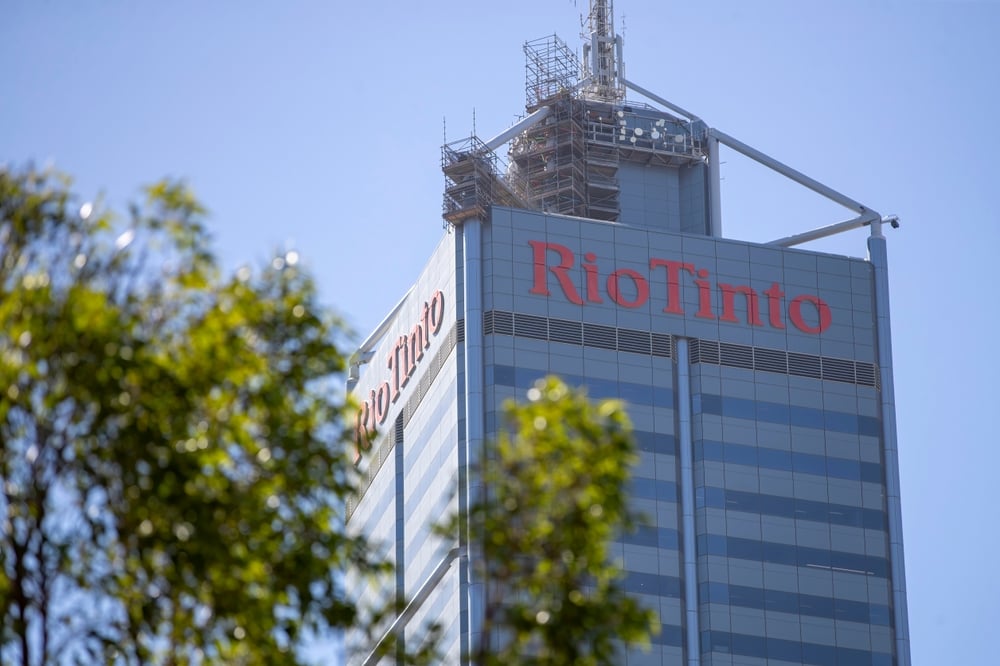
Source: Shutterstock
Mentioned
KEY POINTS
- Rio Tinto and Glencore failed to agree on valuation for the fourth merger attempt in 20 years, with the gap reportedly narrowing to around $10 billion before talks collapsed.
- Rio remains overexposed to iron ore with limited organic copper growth options, while Glencore faces coal volatility and a 40% decline in copper production since 2014.
- Both companies lose the opportunity to create a dominant copper producer as prices trade near record highs and governments prioritise critical minerals security.
The collapse of merger talks between Rio Tinto and Glencore has left both mining giants facing the same strategic challenges they hoped to solve together, only now they must tackle them alone.
Rio Tinto confirmed it would not make an offer for Glencore after failing to agree on valuation, ending the fourth attempt to merge the two companies over two decades.
The decision sent Glencore shares 7% lower, while NYSE-listed Rio shares finished the overnight session down 5.5%.
Valuation stalemate
Glencore was seeking a share-exchange ratio of approximately 40% of the combined entity. This did not make sense from Rio's perspective, given the company trades at a market capitalisation of approximately $160 billion vs. Glencore's $76 billion. At current valuations, this implies a 68% and 32% split.
Glencore said Rio sought to retain both the chairman and CEO roles without offering an adequate premium, while Rio determined it couldn't reach an agreement that delivered shareholder value.
Rio's strategic headwinds
The failed merger leaves Rio over-exposed to iron ore, a commodity entirely dependent on Chinese demand and facing growing supply surpluses. The company's recent diversification into lithium has proven expensive and is unlikely to deliver hoped-for returns.
A more pressing constraint is Rio's Chinese state-owned backer. China's Aluminium Corp holds 14.5% of Rio's London-listed shares under an intricate shareholding agreement that limits share buybacks. The Glencore merger would have diluted this stake, creating a pathway to return capital to shareholders.
Without transformational M&A, Rio faces a difficult reality where it cannot organically grow its copper business fast enough to move the needle at a group level. However, large cash acquisitions appear unlikely given the legacy of its 2007 Alcan purchase. This was when Rio made one of the largest mining deals at the time, buying Canadian aluminium producer Alcan for US$38 billion, right before the global financial crisis.
Glencore's standalone challenges
Glencore exits the talks still facing its own strategic problems. The company's copper production has declined 40% since peaking in 2014. Now it's proceeding alone with a multibillion-dollar greenfield copper mine in Argentina, a project type that largest shareholder and former CEO Ivan Glasenberg historically opposed, warning such developments rarely hit budget or schedule.
The company also remains over-exposed to coal, where the long-term price outlook remains uncertain. Last year, Glencore had to cut its own output to support the market.
The path forward
Despite the setback, Glencore may have the stronger near-term story. The company has already agreed to sell a minority stake in Democratic Republic of Congo copper mines to a US government-backed fund. Further asset sales in Kazakhstan and monetisation of its stake in agricultural trader Bunge could generate several billion dollars in 2026-27.
For both companies, the investment case centres on copper exposure as governments prioritise critical minerals. The failed merger represents a lost opportunity to create a "go-to" mining stock for this theme, particularly given copper prices are trading near record highs.
The deal would have roughly doubled Rio's copper output, potentially making it the world's top producer, while adding about 1 million tonnes of future copper growth to its portfolio.
This is the fourth merger attempt since 2008, with each of Tom Albanese's successors Rio (Sam Walsh, Jakob Stausholm and now Simon Trott) trying to make it work. Given this history, and the strategic fit, few would bet against a fifth attempt emerging in the years ahead.