Morgan Stanley warns RBA pause could extend well into 2026
Growing economic strength and hawkish RBA signals threaten November rate cut, with extended pause likely to hit retailers and REITs.

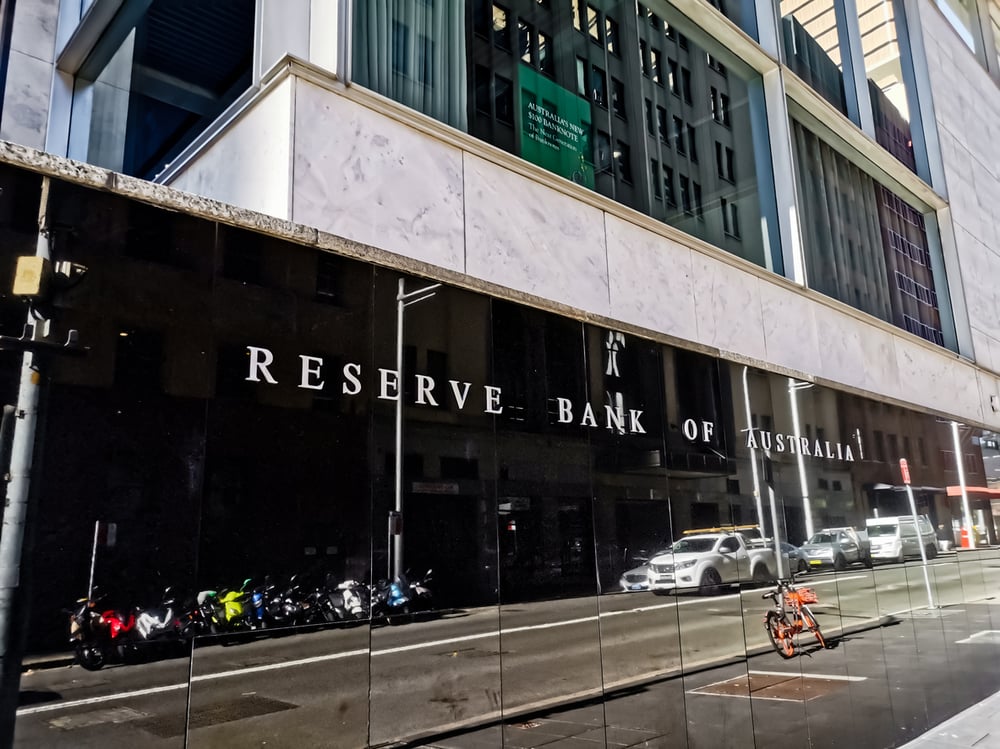
Source: iStock
KEY POINTS
- Morgan Stanley maintains its November 4 rate cut forecast but warns the bar has been raised significantly, with any pause likely to extend well into 2026 rather than being temporary.
- Economic data has provided mixed signals, with private sector credit growth re-accelerating to 7.1% annually in August, while consumer sentiment dipped 3.5% in October to firmly pessimistic levels.
- Consumer discretionary stocks, REITs and banks are most vulnerable to an extended pause after leading the market higher this year, with Morgan Stanley suggesting these sectors could become funding sources for rotation if the RBA holds rates indefinitely.
The Reserve Bank of Australia's anticipated November rate cut is facing growing uncertainty, with recent data and hawkish signalling raising doubts about whether the central bank will deliver the relief markets have been pricing in.
Still, a 25 bp cut at the November 4 meeting remains the consensus view. The AFR's latest quarterly survey shows 23 out of 39 respondents pointing to a rate cut at the RBA's next policy meeting.
Morgan Stanley maintains its forecast for a Melbourne Cup Day cut, but acknowledges the bar has been raised following the RBA's September hold and a string of stronger-than-expected economic data. The investment bank warns that any pause in the easing cycle could be extended rather than temporary, with significant implications for rate-sensitive sectors.
Data strengthens the case for a pause
The September meeting proved more hawkish than markets expected, with the RBA acknowledging stronger domestic and easier financial conditions. This followed several data points that suggested the economy retains more momentum than previously thought.
Credit growth has re-accelerated across both households and businesses, with private sector credit growth accelerating to 7.1% annually in August, the strongest pace since February 2023.

Source: RBA chart pack
However, household spending presented a mixed picture, rising only 0.1% month-on-month in August, though annual growth remained elevated at 5.0%, a near two-year high.
In addition, building approvals fell 6% in August, missing economist expectations, while the trade balance narrowed sharply to a $1.8 billion surplus, also well below forecasts.
Economy can weather an extended pause
Morgan Stanley says the economy wouldn't immediately derail if the RBA keeps rates on hold. Housing conditions remain strong, and historical patterns indicate these typically strengthen further after the central bank pauses its cutting cycle.
Fiscal spending continues to support the labour market, while consumers benefit from solid income growth and rising wealth. This combination has underpinned spending despite cost-of-living pressures that dominated headlines throughout 2024.

Source: ABS | *Household disposable income is after tax, before the deduction of interest payments, and includes income of unincorporated enterprises
The main risk from a pause would be negative sentiment effects on consumers and businesses. However, Morgan Stanley believes the broader economic upswing that has been building throughout 2025 has sufficient momentum to continue.
Extended pause more likely
If the RBA opts to hold in November, the analysts find it difficult to envision a quick return to cutting in February. The central bank still views policy as "a little bit restrictive", suggesting a bias toward further easing eventually. But with the economy performing solidly, any decision to pause would likely be maintained for an extended period.
The investment bank expects that higher rates would eventually slow conditions more than otherwise, but this wouldn't become evident to the RBA until later in 2026.
This timeline suggests any November hold could stretch well into next year.
The key concern for the RBA centres on 2026 risks rather than near-term inflation pressures, according to Morgan Stanley. This distinction is important for investors positioning for the next phase of the cycle.
Market implications
Rate-sensitive sectors have been significant beneficiaries since Australia's easing cycle began, with consumer discretionary stocks, REITs and banks all enjoying positioning and valuation support.
In August, retailers delivered strong results and embraced further easing as grounds for optimism heading into the key Christmas trading period. Notable reporters included:
JB Hi-Fi: The FY25 result was modestly ahead of consensus, with total sales up 10% to $10.5 billion and net profit up 5.4% to $462 million. A higher dividend payout ratio (from 65% to 70-80%) and 100 cents per share special dividend reflected ongoing cash generation, while July trading showed continued momentum in core divisions. However, the stock fell 8.4% on the day amid valuation concerns.
Harvey Norman: Shares surged 11.5% on better-than-expected numbers, driven by stronger Australian franchising operations. A strong July trading update showed sales momentum outpacing JB Hi-Fi and The Good Guys for the first time in years, prompting several brokers to lift targets.
Super Retail Group: Shares rallied 12.3% as FY25 results came in ahead of expectations. Group sales rose 4.5% to $4.1 billion, gross margin eased 50 bps to 45.6% and normalised NPAT fell 4% to $232 million. Better-than-expected margins was the key driver of the share price rally, as opposed to top line outperformance.
Australian REITs have benefited from housing exposure, consumer leverage and potential interest cost savings as hedged debt balances roll off. Banks have also found support as margin pressure concerns have eased, with focus shifting to a favourable credit cycle and asset quality.
Morgan Stanley views consumer discretionary stocks and REITs as the most vulnerable sectors if the RBA pauses indefinitely, suggesting these could become funding sources for rotation into other areas.
Watching the Data
Consumer sentiment for October will provide the next important signal, with Morgan Stanley expecting a modest pullback following the slightly stronger August inflation print and the September hold. Labour market indicators warrant close attention after unemployment expectations jumped in September, though spending intentions have steadily improved in recent months.
This data was released today, with consumer sentiment falling 3.5% to 92.1 in October, erasing all gains from May-August when rate cuts provided support. The index is now firmly in pessimistic territory, driven primarily by renewed inflation concerns and doubts about future rate cuts.
Assessments of family finances deteriorated sharply, with the forward-looking sub-index down nearly 10% to 97.1, the weakest in over a year. Consumers were also more downbeat on near-term prospects for the economy, with the 'economic outlook, next 12 months' sub-index down 2.5% to 89.9, the weakest read in a year.
The bottom line
The November decision represents a key moment for the RBA's easing cycle. While Morgan Stanley maintains its call for a cut, the risks are clearly tilted toward a hold that could extend well into 2026, reshaping the landscape for rate-sensitive investments that have led the market higher this year.