BWP Trust 1H25 Earnings Call Highlights
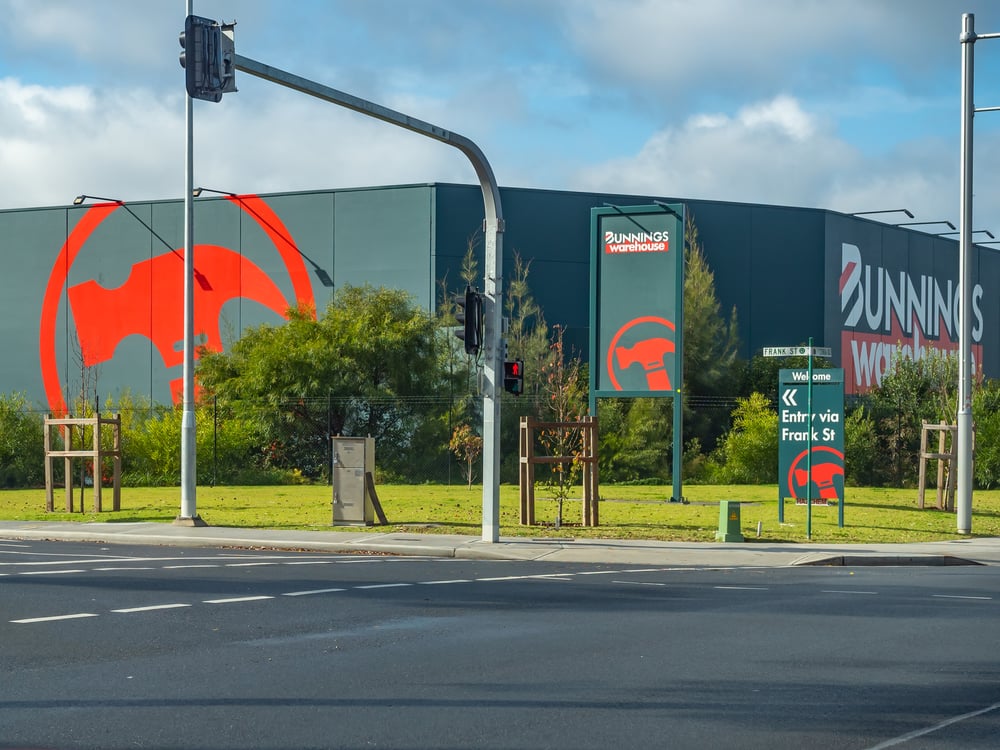
Shares in the Bunnings Warehouse property owner jumped 4.8% on Wednesday after reporting strong growth and a higher dividend.

Source: Shutterstock
Mentioned
BWP (ASX: BWP) shares rallied 4.8% after reporting higher profits and portfolio valuations for the first-half of FY25.
1H25 Earnings Summary
Total income up 22.2% to $100.6 million
Weighted average cap rate of 5.43% (1H24: 5.53%)
Profit before revaluations up 15% to $66.1 million
Interim dividend up 1.99% to 9.20 cents per share
Weighted average lease expiry of 4.4 years (1H24: 3.6 years)
Net tangible assets per unit up 4.8% to $3.92 per unit
Like-for-like rental growth of 3.3% (1H24: 4.8%)

Earnings Call Highlights
The below topics have been answered by Managing Director Mark Scatena, Head of Property Andrew Ross and Head of Finance David Hawkins.
1H25 earnings: “The half saw portfolio momentum continued supported by strong focus on optimisation and profitable growth. The Trust reported like-for-like rental growth of 3.3%.”
Transaction activity: “After December 31, 2024, we saw increased market transaction activity with three Bunnings warehouse transactions completed, all purchased by private investors at an approximate average cap rate of 5%.”
Cap rate trends and impact: “The weighted average capitalisation rate or cap rate fell 10 basis points over the half to 5.43%. The cap rate compression in the half and the consequent net fair value portfolio valuation gain of $93.2 million also reflect the strength of the Bunnings warehouse asset class.”
Large format retail segment performance: “We increased our engagement with the large format retail sector in support of customer store network expansion, which includes collaboration on the repurposing of BWP sites.”
Growth opportunities and offers: “An agreement was reached for $14 million Bunnings expansion of Pakenham, Victoria. In addition, an AUD 11 million redevelopment and car showroom expansion was secured at Midland, Western Australia.”
NPR asset valuations: “During the six months to December 31, 2024, the Trust’s total property portfolio was revalued, with independent valuations performed for 13 properties. The weighted average capitalisation rate for the portfolio at December 31 was 5.43%, down 11 basis points from June 30, 2024.”
Management focus: “The group’s key areas of focus aligned to three strategic pillars: portfolio optimisation, profitable growth, and portfolio renewal. Portfolio optimisation focuses on optimising and leveraging the existing network while managing asset repurposing requirements.”
Cost of capital: “The weighted average cost of debt for the half was 4.4%, compared to 4.2% for the prior corresponding half, reflecting the higher interest rate environment.”
Rental growth and trends: “Market rent reviews on five Bunnings warehouses were finalised during the half, with rents increasing on average 2.7%. CPR reviews will apply to 34% of the base rent in FY25, with 12% subject to a market rent review and the balance of 54% reviewed to fixed increases of 2% to 4%.”
Repurposing properties: “The trust continues to make progress in reducing the number of repurposing activities for stores vacated by Bunnings. Development applications and leasing campaigns are advancing for Fountain Gate and Northlands.”

Analyst Q&A Highlights
Investment Outlook & Market Conditions:
“We were certainly guided in the release to the types of assets that we're most certainly interested in.”
“Some stability perhaps in that – in the prospect for interest rates and buyer and seller expectations aligning a little more so we would expect that momentum to continue into the second half.”
“We made some offers on a couple of sites which weren't successful. But we'll continue to be absolutely in the market.”
“There seems to be a renewed level of confidence in the market in 2020 format. That's the feedback that we're getting from the agents that we're talking to.”
Expense Growth vs. Income Growth:
“Obviously the management fee increase as well have because they've increased the valuations.”
“There was an increase in basic insurance and land tax is probably the two largest contributors to the increase in the actual other expenses.”
“We think hopefully that should moderate, but depends on what the Government's forecasting in their land tax going forward.”
Cost of Capital Optimisation:
“We have some maturities that we're thinking about. So how we fund those is important and how we think about the cost structure.”
“Making sure that the system is focused on productivity, including the cost of capital, so that over time, if we can fund well and we can optimise that, then of course the addressable market for opportunities grows.”
Buyback Consideration:
“It's not something that has been a key topic of discussion recently, Richard, where we're most certainly looking to invest the balance sheet into growth opportunities and to repurpose and optimise the existing estate.”
“But of course, it's an option that when we're looking to invest, we will compare that perhaps to some capital management and we'll make a decision based on the best prospects.”
This article was generated with the support of AI and reviewed by an editor.